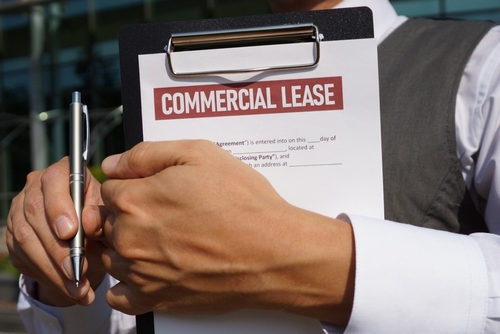
Commercial Lease Review Checklist
A commercial lease can control a company’s location, occupancy costs, expansion rights, and exit options, which makes careful review essential before any representative signs. Although rent often receives the most attention, additional charges, repair duties, guaranties, use limits, renewal deadlines, and default remedies may have an equal financial effect. A commercial lease review checklist helps decision-makers compare the written terms with the company’s budget, business plan, insurance program, and practical use of the premises. Before accepting obligations, DiFalco & Fernandez LLLP can assist in reviewing the lease and explaining which provisions merit clarification or negotiation.
Why Do Businesses Need a Commercial Lease Review Checklist?
A lease is a real estate contract and a long-term operating commitment, so a review process should test legal language against the company’s expected activities at the property. The United States Small Business Administration explains that business location affects taxes, zoning laws, and regulations, which means attractive space may still be unsuitable if the intended use is prohibited or required approvals cannot be secured. A checklist prompts the company to verify these matters before investing in deposits, designs, permits, equipment, inventory, or a public opening date.
The process also reveals the economic bargain rather than focusing only on base rent. Taxes, insurance, utilities, maintenance allocations, management fees, annual increases, restoration work, and holdover charges can change the cost, while vague measurement or audit provisions can make future invoices difficult to verify. Recording each expense, deadline, and approval in one review document allows finance, operations, insurance, and legal personnel to evaluate the same proposed deal.
A checklist protects business continuity by identifying provisions that affect access, signage, parking, deliveries, repairs, casualty response, assignment, renewal, and early termination. It creates a record of negotiated changes and prevents a promise from remaining only in an email, proposal, or broker conversation that the final agreement may supersede. Because commercial leasing rules and remedies vary by jurisdiction, an organized review also helps counsel identify local legal issues that require further research before execution.
What Should Your Commercial Lease Review Checklist Contain?
- Confirm the parties, authority, guarantors, and premises
Verify each party’s legal name, entity type, jurisdiction, address, and signing authority, while identifying any landlord affiliate, manager, lender, or ground lessor whose approval may affect performance. The commercial lease agreement should describe the premises by address, suite, floor plan, rentable area, and access rights, including any storage, parking, loading, roof, or patio areas. Confirm whether later remeasurement could change rent.
- Review the term, delivery conditions, and commencement date
It is crucial for businesses to distinguish the signing, delivery, rent commencement, opening, and expiration dates because these events may not occur together. State the required delivery condition, acceptance inspections, and remedies available when possession is late or promised work remains incomplete. Record any early-access period, rent-free period, construction deadline, and outside date that permits termination if the location cannot open as planned.
- Verify permitted use, zoning, licensing, and exclusivity
Businesses should define the permitted use broadly enough to cover current operations, related products, ordinary growth, and lawful business changes. Confirm zoning, occupancy approvals, parking ratios, signage codes, professional licenses, environmental restrictions, and private covenants affecting the property. If tenant mix matters, a use and exclusivity clause should identify protected offerings, prohibited competitors, exceptions, enforcement duties, and workable remedies for violations.
- Calculate base rent, increases, and monetary incentives
It is important to list monthly commercial rent, annual increases, percentage-rent formulas, reporting duties, due dates, grace periods, late charges, interest, free-rent periods, and conditions attached to concessions. Verify whether increases use a fixed percentage, an index, fair market value, or another calculation, with procedures for resolving disagreements. Spread incentives and expected increases across the full term to measure effective occupancy cost.
- Identify additional rent and audit rights
Owners should define common area maintenance charges, taxes, insurance allocations, utilities, management fees, capital expenditures, exclusions, caps, base years, and the tenant’s proportionate share. Require annual statements, supporting records, review time, and audit and refund rights. For instance, additional-rent disputes over operating expenses connected with taxes, insurance, and common-area repairs show why additional rent requires detailed analysis.
- Examine deposits, letters of credit, and guaranties
Businesses must record the amount, permitted uses, replenishment duties, reduction schedule, and return deadline for every security instrument. Review a personal guaranty for its maximum amount, duration, renewal effect, amendment coverage, notice rights, defenses, and release conditions, including liability after assignment or surrender. A limited guaranty should state which payment and performance duties survive timely vacancy and lawful turnover.
- Allocate design, construction, and improvement responsibilities
Attach plans, specifications, budgets, contractor rules, and approval procedures while assigning permits, delay risk, cost overruns, and code corrections. A tenant improvement allowance should state the amount, eligible costs, submission rules, payment timing, inspection rights, and reimbursement deadline. Verify ownership of improvements, construction access, lien protections, restoration duties, and the standard governing landlord approval.
- Assign maintenance, repairs, utilities, and building services
It is important to also allocate structural, roof, plumbing, electrical, heating, cooling, fire-protection, storefront, waste, and common-area duties, then record service levels, operating hours, metering, interruption remedies, and emergency procedures.. Rent-abatement rights tied to secure or prompt access may not be triggered while physical access remains available, illustrating why service and abatement conditions require precise definitions.
- Address casualty, condemnation, force majeure, and restoration
Your agreement should determine who repairs damage, when rent abates, how partial use affects payment, and when prolonged disruption permits termination. Review insurance proceeds, restoration deadlines, lender rights, condemnation awards, temporary access, and treatment of tenant improvements. A force majeure clause should identify covered events, excluded payment duties, notices, mitigation obligations, and deadline extensions without assuming every restriction or service interruption excuses performance.
- Allocate legal compliance and accessibility duties
Assign existing violations, future legal changes, permits, hazardous materials, life-safety requirements, accessibility work, and costs arising from the tenant’s use. Federal Americans with Disabilities Act guidance states that landlords and tenants may divide compliance duties between themselves, yet both can remain liable to third parties for a covered public accommodation. Connect these duties with inspections, deadlines, insurance, indemnification, and remedies when required work prevents operation.
- Review assignment, subleasing, and ownership changes
The commercial lease assignment provision should state when consent is required, the governing standard, required financial information, response deadlines, fees, and any recapture right. Determine whether mergers, equity transfers, reorganizations, franchise changes, or affiliate transfers count as assignments. Confirm whether the original tenant and guarantor remain liable, whether transfer profits must be shared, and whether shared occupancy is permitted.
- Evaluate insurance, indemnification, and liability limits
Compare required coverage, limits, deductibles, additional-insured status, subrogation waivers, certificates, insurer ratings, and cancellation notices with the company’s insurance program. Review indemnities for triggering events, protected parties, defense control, settlement authority, negligence standards, and survival after expiration, while checking related damage waivers. Risk allocation should reflect control over the premises and available insurance.
- Analyze default, remedies, cure periods, and disputes
Identify monetary and nonmonetary defaults, notices, realistic cure periods, repeated-default rules, landlord self-help, liens, rent acceleration, interest, fees, mitigation, and termination rights. Determine whether the tenant may cure landlord defaults, offset verified costs, seek urgent relief, or terminate after material failure, then review governing law, venue, jury waivers, and escalation. A default and remedies section should distinguish administrative errors from serious breaches.
- Plan surrender, restoration, and final documentation
Lastly, you should define the departure condition, equipment and signage removal, damage repair, environmental work, key return, and treatment of abandoned property. Confirm whether the tenant must remove initial improvements, later alterations, cabling, generators, rooftop equipment, or hazardous materials, with advance notice of restoration demands. Reconcile exhibits, work letters, rules, plans, amendments, and side agreements, establish document priority, and ensure the signature package reflects every negotiated term.
Use a Commercial Lease Review Checklist to Verify Terms and Risks Before Signing
Commercial lease review checklists turn a draft into a structured business decision covering cost, use, construction, compliance, risk allocation, continuity, transfer rights, and eventual departure. The review is strongest when financial projections, site inspections, insurance feedback, operational needs, and legal analysis are completed together before deposits are paid or buildout begins. Because lease language can govern the company long after its space requirements change, early business lease review gives decision-makers time to correct unclear provisions and test whether the proposed location supports operations.
Before executing a material lease, DiFalco & Fernandez LLLP can provide legal guidance in assessing the document and helping the company make an informed decision based on its business objectives. Contact us today to schedule a consultation.
Attorney Advertising. This page is provided for general informational purposes only and does not constitute legal advice. Reading this content, or contacting DiFalco & Fernandez LLLP through this website, does not create an attorney-client relationship. No attorney-client relationship is formed unless and until the firm and a client sign a written engagement agreement. Because outcomes depend on the specific facts of each matter, you should not act, or refrain from acting, based on this information without first consulting a qualified attorney regarding your particular situation.